×
Healthcare Excellence
Flu, RSV and Covid 19 Vaccines Now Available
RSV vaccine free for aged 75 & over, aboriginal & Torres - 60 + age
Book AppointmentBlog Details
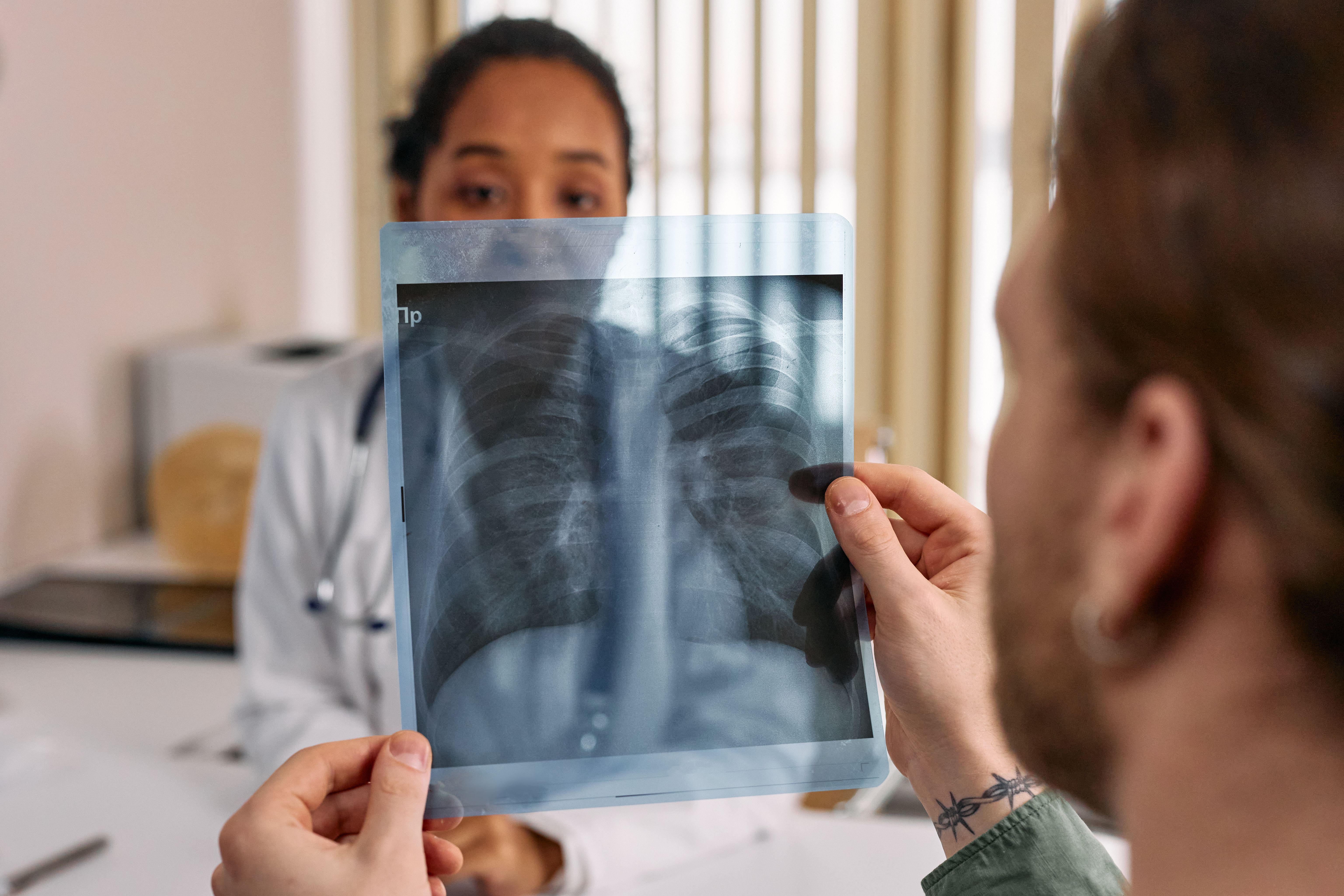
Lung Cancer Screening in Australia: Who's Eligible and How to Get Your Scan
Lung Cancer Screening in Australia: Who's Eligible and How to Get Your Scan
If you are aged 50–70, currently smoke or quit within the past 10 years, and have a smoking history of at least 30 pack-years, you may qualify for a free lung cancer screening scan under Australia's National Lung Cancer Screening Program (NLCSP). You must also have no symptoms suggesting lung cancer. A GP or another qualified healthcare provider can check your eligibility, assess whether screening is suitable and provide a requesIf you are aged 50–70, currently smoke or quit within the past 10 years, and have a smoking history of at least 30 pack-years, you may qualify for a free lung cancer screening scan under Australia's National Lung Cancer Screening Program (NLCSP). You must also have no symptoms suggesting lung cancer. A GP or another qualified healthcare provider can check your eligibility, assess whether screening is suitable and provide a request for a low-dose CT scan.t for a low-dose CT scan.
The Australian Government launched the program on 1 July 2025 to help detect lung cancer early in people at higher risk. The scan is government-funded and bulk billed under Medicare when provided through the program. However, your GP consultation to discuss eligibility and obtain the scan request may involve a fee.
For people in Kangaroo Point and surrounding Brisbane suburbs, understanding the eligibility rules is the first step. Here is how the program works, what to expect from the scan and how to discuss screening with your GP.
01
What Is the National Lung Cancer Screening Program?
The National Lung Cancer Screening Program is an Australian Government initiative that uses low-dose computed tomography (low-dose CT) scans to look for signs of lung cancer in people at higher risk who do not have symptoms.
The program aims to find lung cancer at an earlier stage, when treatment may be more effective. It is designed for people with a significant history of tobacco cigarette smoking, rather than everyone in the general population.
Before the program began on 1 July 2025, Australia did not have a national population-based lung cancer screening program. The NLCSP provides an organised pathway for eligible people to discuss their risk with a healthcare provider, receive a scan request and access follow-up through the National Cancer Screening Register.
The program has several important features:
- Targeted screening: It is intended for people who meet specific age and smoking-history criteria.
- Low-dose CT: Screening uses a specialised CT scan of the chest.
- Government-funded scans: Eligible participants have no out-of-pocket cost for the screening scan under the program.
- Ongoing follow-up: Depending on the results, participants may be asked to return for another scan or discuss further assessment with their healthcare provider.
Screening is intended to detect possible lung cancer early. It does not prevent lung cancer, and it cannot guarantee that cancer will not develop.
For official information, visit the Australian Government's National Lung Cancer Screening Program.
02
Who Is Eligible for Lung Cancer Screening in Australia?
The eligibility criteria are specific. You must meet all four requirements to be eligible for the National Lung Cancer Screening Program.
| Eligibility requirement | Current program criteria |
| Age | Between 50 and 70 years |
| Symptoms | No signs or symptoms suggesting lung cancer |
| Smoking status | Currently smoke tobacco cigarettes or quit within the past 10 years |
| Smoking history | At least 30 pack-years of tobacco cigarette smoking |
These criteria are based on current Australian Government guidance. Meeting the four requirements means you may be eligible; your healthcare provider must also assess whether screening is suitable for you.
What does 30 pack-years mean?
A pack-year measures the amount of tobacco cigarette smoking over time. One pack-year is equivalent to smoking 20 cigarettes (one standard pack) every day for one year.
Here are some examples:
| Smoking history | Total pack-years |
| 1 pack per day for 30 years | 30 |
| 2 packs per day for 15 years | 30 |
| Half a pack per day for 60 years | 30 |
| 1 pack per day for 20 years | 20 |
| Half a pack per day for 20 years | 10 |
The calculation is:
Pack-years = Packs smoked per day × Number of years smoked
If your smoking habits changed over time, your GP can help estimate your total smoking history. For example, someone who smoked one pack a day for 10 years and half a pack a day for another 20 years has an estimated total of 20 pack-years.
What if you quit smoking more than 10 years ago?
For initial entry into the program, you must currently smoke tobacco cigarettes or have quit within the previous 10 years.
However, if you were already eligible and enrolled in the program, you can continue screening even if you later pass the 10-year mark since quitting. You can generally remain in the program until you turn 71, unless your screening results mean you need to exit the program.
Do you have to quit smoking to participate?
No. Quitting smoking is strongly encouraged for your overall health, but you do not have to stop smoking to qualify for the screening program. The eligibility rules are based on your age, symptoms and smoking history.
If you are unsure whether your smoking history meets the criteria, speak with your GP rather than trying to determine eligibility from age alone.
03
What Does a Low-Dose CT Scan Involve?
If your healthcare provider confirms that you meet the program criteria and are suitable for screening, they can provide a request for a low-dose CT scan.
A low-dose CT scan uses X-rays to create detailed images of the lungs. It uses a lower radiation dose than a standard diagnostic chest CT scan while still producing images suitable for screening.
The appointment is generally straightforward.
Before the scan
You will receive instructions from the radiology provider about preparing for your appointment. Follow any guidance provided and let the provider know if you have questions or particular needs.
During the scan
- You will lie on a scanning table.
- The radiographer will position you for imaging.
- You may be asked to raise your arms above your head.
- The scanner takes images of your chest while you remain still.
- No injection or intravenous contrast is required for the program's low-dose CT scan.
The scan itself is quick, and the appointment usually takes around 10–15 minutes.
After the scan
A radiologist reviews the images and reports the findings. Your healthcare provider receives the results, and the National Cancer Screening Register (NCSR) sends you information about the next steps according to your registered communication preferences.
Depending on the findings, you may need to:
- Return for another screening scan in approximately two years.
- Have an interval scan after a shorter period, such as three, six or 12 months.
- Discuss the results with your GP.
- Receive a referral to a respiratory physician or another specialist for further assessment.
A finding on a screening scan does not automatically mean you have lung cancer. Some findings need monitoring or further investigation to understand what they mean.
04
How Your GP Enrols and Refers You for Lung Cancer Screening
For many people, the most practical first step is a conversation with their GP. You do not need to arrange a CT scan independently before having your eligibility assessed.
Here is how the process generally works.
Step 1: Book an eligibility discussion
Make an appointment with your GP or another qualified healthcare provider. Explain that you want to discuss the National Lung Cancer Screening Program.
If possible, prepare your smoking history before the appointment. Include your age, the approximate number of cigarettes you smoked each day, how many years you smoked and when you quit, if applicable.
Step 2: Your healthcare provider checks eligibility
The provider will ask about your age and smoking history and establish whether you meet the four program requirements.
They will also assess whether screening is suitable for you at that time. For example, your ability to lie flat for the scan may be considered.
Step 3: Enrolment in the National Cancer Screening Register
If you decide to participate, your healthcare provider or their authorised practice staff can complete the National Cancer Screening Register's eligibility and enrolment form.
This enrolment is generally completed once. It allows the program to maintain your screening record and send relevant reminders and follow-up information.
Step 4: Receive a low-dose CT scan request
Your healthcare provider gives you a program-specific request for the low-dose CT scan and advises where you can have it performed.
You can then arrange an appointment with a participating radiology provider.
Step 5: Receive your results and follow-up instructions
The radiologist reviews the scan and sends the report to your healthcare provider. The NCSR also communicates with you about the next steps.
Your follow-up depends on the findings. You may be asked to return for routine screening in two years, have an earlier interval scan or discuss further investigation with your healthcare provider.
For people in Kangaroo Point, Dockside Medical Hub can be a starting point for a discussion about lung health and screening eligibility. A GP can review your history and advise on the appropriate next step.
05
Lung Cancer Screening vs Lung Cancer Symptoms: When Should You See a GP?
One of the most important things to understand about the National Lung Cancer Screening Program is that it is intended for people who do not have symptoms suggesting lung cancer.
Screening and investigating symptoms are not the same thing.
Screening looks for possible signs of cancer in people who feel well but meet specific risk criteria. If you already have symptoms, you need a clinical assessment rather than waiting for a routine screening appointment.
Symptoms that need medical assessment
Arrange an appointment with your GP if you experience:
- A persistent cough that is new or has changed.
- Coughing up blood.
- Unexplained shortness of breath.
- Unexplained weight loss.
- Ongoing chest or shoulder pain.
- Pain when breathing or coughing.
- Unusual or persistent fatigue.
These symptoms can have several causes, and they do not automatically mean you have lung cancer. However, they should not be ignored, particularly if they persist, worsen or occur together.
If you have symptoms, your GP can assess your condition and arrange appropriate diagnostic investigations or referrals. You do not need to meet the NLCSP eligibility criteria to have symptoms investigated.
<text>When to seek emergency help: If you experience severe difficulty breathing or another life-threatening emergency, call Triple Zero (000).</text>
If you are unsure whether your symptoms require an appointment, contact a healthcare professional for advice rather than waiting for a screening invitation.
06
Support to Quit Smoking and Protect Your Lung Health
A history of smoking is one of the main risk factors considered by the National Lung Cancer Screening Program. While quitting is not a requirement for participation, stopping smoking can benefit your health at any age.
If you currently smoke, you do not have to manage the process alone. Your GP can discuss available support, strategies and resources to help you quit.
In Australia, the Quitline is available on 13 78 48. It provides confidential telephone counselling and practical support for people who want to stop smoking or vaping.
Other steps that may support your lung health include:
- Discussing ongoing respiratory symptoms with your GP.
- Following an agreed plan for managing existing respiratory conditions.
- Avoiding exposure to tobacco smoke where possible.
- Seeking advice about workplace or environmental exposure risks.
- Attending recommended health checks and follow-up appointments.
If you have previously smoked and meet the program's eligibility criteria, remember that you may still be able to participate even if you are not currently smoking.
You can also explore the Australian Government's Quit support services.
07
Frequently Asked Questions About Lung Cancer Screening
1. Who is eligible for free lung cancer screening in Australia?
People aged 50–70 may be eligible if they have no symptoms suggesting lung cancer, currently smoke tobacco cigarettes or quit within the past 10 years, and have a smoking history of at least 30 pack-years. All four requirements must be met, and a healthcare provider must assess suitability.
2. Is lung cancer screening free in Australia?
The low-dose CT scan provided under the National Lung Cancer Screening Program is mandatory bulk billed under Medicare, meaning there is no out-of-pocket cost for the scan. However, the GP or healthcare provider consultation to assess eligibility and provide the scan request may involve a fee.
3. How do I get a lung cancer screening scan?
Start by booking an appointment with your GP or another qualified healthcare provider. They will review your age and smoking history, check whether you meet the eligibility criteria, and assess your suitability. If appropriate, they can enrol you in the program and provide a request for a low-dose CT scan.
4. How often should I have a lung cancer screening scan?
For participants with no findings requiring earlier follow-up, routine screening is generally recommended approximately every two years. If a scan identifies something that needs monitoring, your healthcare provider may recommend an earlier scan, such as after three, six or 12 months.
5. Can I participate if I have already quit smoking?
Yes. You may be eligible if you quit smoking within the past 10 years and meet the other requirements. If you were already enrolled in the program while eligible, you can continue screening even after more than 10 years have passed since quitting.
6. Do I need to have symptoms to qualify for lung cancer screening?
No. The program is designed for people who do not have symptoms suggesting lung cancer. If you have a persistent cough, cough up blood, experience unexplained breathlessness or notice unexplained weight loss, arrange a medical assessment rather than waiting for routine screening.
7. Does a low-dose CT scan confirm lung cancer?
No. A screening scan looks for possible abnormalities in the lungs. A finding does not automatically mean cancer is present. Depending on the results, your healthcare provider may recommend monitoring, another scan or further investigations.
8. Can people with asthma or COPD participate in the program?
Having asthma or chronic obstructive pulmonary disease (COPD) does not automatically determine eligibility. The age, smoking history and symptom criteria still apply, and your healthcare provider will assess whether screening is suitable for you.
08
Discuss Your Lung Health and Screening Eligibility at Dockside Medical Hub
Understanding your eligibility is the first step towards accessing Australia's National Lung Cancer Screening Program. If you are aged 50–70 and have a significant history of tobacco cigarette smoking, a GP can help you work out your pack-years, review your health history and determine whether you may qualify.
At Dockside Medical Hub in Kangaroo Point, you can arrange a consultation to discuss your lung health, screening eligibility and appropriate next steps.
Our GPs can help assess your concerns and guide you towards suitable investigations or referrals when clinically indicated. If you have symptoms that need assessment, do not wait for a routine screening scan.
Book an appointment with Dockside Medical Hub to discuss lung cancer screening eligibility and your respiratory health.
Dockside Medical Hub
35 Ferry Street, Kangaroo Point QLD 4169
Phone: 07 2100 0433
Online bookings: HotDoc
Consultation fees may apply. Please confirm the applicable fees when booking
