×
🩺 Healthcare Excellence
Flu, RSV and Covid 19 Vaccines Now Available
RSV vaccine free for aged 75 & over, aboriginal & Torres - 60 + age
Book Appointment →Blog Details
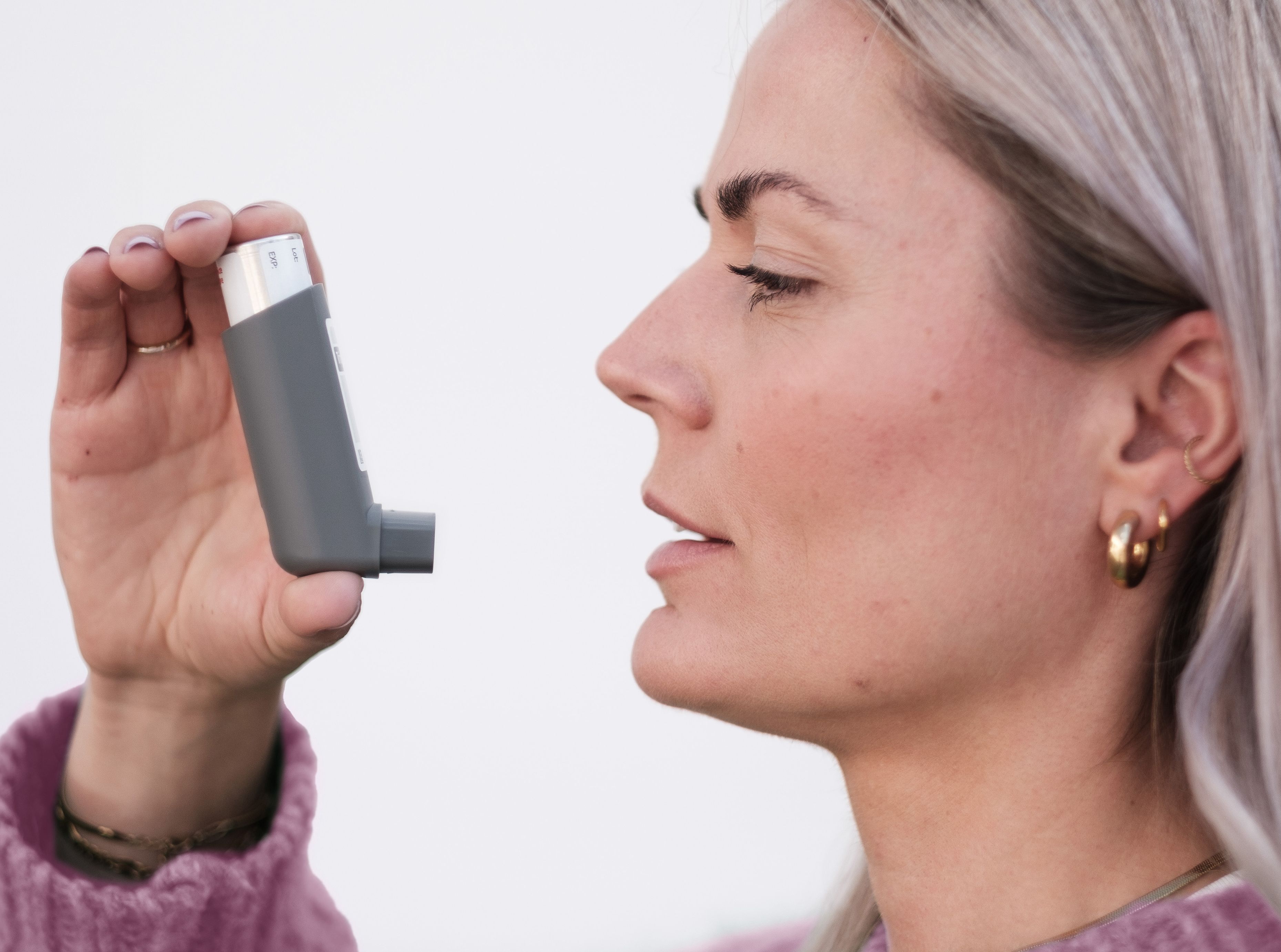
Asthma and COPD in Australia: Symptoms, Causes, Treatment and Respiratory Care in Kangaroo Point
Did you know that around 2.8 million Australians were living with asthma in 2022? That represents approximately 11% of the Australian population. Chronic obstructive pulmonary disease (COPD) is another significant respiratory condition, affecting an estimated 496,000 Australians aged 45 and over in the same year. These figures highlight the importance of recognising breathing difficulties and seeking appropriate medical care.
Breathing is something most people rarely think about until it becomes difficult. However, for people living with asthma or COPD, even everyday activities such as walking, exercising, sleeping, or climbing stairs can sometimes become challenging.
Although asthma and COPD both affect the lungs and can cause breathing difficulties, they are different conditions. Understanding their symptoms, identifying possible triggers, and receiving appropriate medical care can help people manage their respiratory health.
For residents of Kangaroo Point and surrounding Brisbane suburbs, Dockside Medical Hub provides personalised asthma and respiratory care for children, adults, and older people. Its general practitioners offer asthma assessments, medication reviews, inhaler technique guidance, asthma action plans, and ongoing respiratory health support.
This blog explores the differences between asthma and COPD, their symptoms and causes, available treatment approaches, and how regular GP care can support better respiratory health.
What Are Asthma and COPD?
Asthma and COPD are long-term respiratory conditions that affect the airways and can make breathing difficult. However, they differ in how they develop, how they affect the lungs, and how they are managed.
What Is Asthma?
Asthma is a chronic condition in which the airways become inflamed and sensitive to certain triggers. During an asthma flare-up, the muscles surrounding the airways may tighten, the airway lining can swell, and mucus production may increase.
These changes narrow the airways and make it harder for air to move in and out of the lungs.
Asthma symptoms can vary from person to person. Some people experience occasional symptoms, while others have more frequent breathing difficulties that require ongoing management.
Common asthma symptoms include:
- Wheezing or a whistling sound while breathing.
- Shortness of breath.
- Chest tightness.
- Persistent coughing, particularly at night or early in the morning.
- Difficulty breathing during physical activity.
Asthma can affect people of all ages, including children and older adults. Although there is no cure, appropriate treatment and regular monitoring can help many people control their symptoms and maintain an active lifestyle.
What Is COPD?
Chronic obstructive pulmonary disease, commonly known as COPD, is a long-term lung condition that causes persistent airflow limitation. It includes conditions such as emphysema and chronic bronchitis.
COPD often develops gradually over many years. Symptoms may become more noticeable as lung function declines.
Common symptoms include:
- Persistent coughing.
- Regular production of mucus or phlegm.
- Shortness of breath, particularly during physical activity.
- Wheezing.
- Chest discomfort.
- Frequent respiratory infections.
- Fatigue and reduced exercise tolerance.
COPD is more common in older adults, particularly people aged 45 and over. Tobacco smoke, occupational exposure to dust and fumes, and other environmental factors can contribute to its development.
Although COPD cannot usually be reversed, appropriate treatment, lifestyle changes, and ongoing medical care can help manage symptoms and support quality of life.
Asthma vs COPD: What Is the Difference?
Asthma and COPD share some symptoms, but they are not the same condition.
|
Feature |
Asthma |
COPD |
|
Typical onset |
Often begins in childhood, but can develop at any age |
More common in middle-aged and older adults |
|
Main airway problem |
Inflammation and sensitivity that can cause variable narrowing |
Persistent airflow limitation |
|
Common symptoms |
Wheezing, coughing, chest tightness, shortness of breath |
Persistent cough, phlegm, breathlessness, reduced exercise tolerance |
|
Common triggers or risk factors |
Allergens, exercise, smoke, infections, weather changes |
Smoking, second-hand smoke, occupational dust and fumes, air pollution |
|
Symptom pattern |
Symptoms may vary and can flare up after exposure to triggers |
Symptoms often develop gradually and may persist |
|
Management |
Inhaled medicines, trigger management, action plans, and monitoring |
Inhaled medicines, symptom monitoring, lifestyle support, and pulmonary rehabilitation when appropriate |
Some people may have features of both asthma and COPD. A GP can assess symptoms, medical history, and lung function to help determine the most appropriate diagnosis and management plan.
What Causes Asthma and COPD?
Understanding the factors that contribute to asthma and COPD can help people recognise potential risks and take steps to protect their respiratory health.
Common Asthma Triggers
Asthma symptoms can be triggered by different environmental and lifestyle factors.
Common triggers include:
1. Allergens
Dust mites, pollen, mould, and animal allergens may trigger symptoms in people with allergic asthma.
2. Smoke and Air Pollution
Cigarette smoke, bushfire smoke, vehicle emissions, and other airborne irritants can worsen asthma symptoms.
3. Respiratory Infections
Colds, influenza, and other respiratory infections may trigger asthma flare-ups.
4. Physical Activity
Exercise can trigger asthma symptoms in some people, particularly when their asthma is not well controlled. With appropriate management, many people with asthma can remain physically active.
5. Weather Changes
Cold air, sudden temperature changes, and certain weather conditions may trigger symptoms in some individuals.
Identifying personal triggers and discussing them with a GP can help people develop a more practical asthma management plan.
Common COPD Risk Factors
COPD can develop due to prolonged exposure to substances that damage the lungs.
Important risk factors include:
- Tobacco smoking.
- Exposure to second-hand smoke.
- Long-term exposure to dust, chemicals, fumes, or workplace pollutants.
- Outdoor and indoor air pollution.
- Certain genetic conditions, such as alpha-1 antitrypsin deficiency.
- Respiratory infections and other factors affecting lung development.
Smoking is a major risk factor for COPD, but not everyone with COPD has a smoking history. Occupational exposure, environmental factors, and individual susceptibility can also contribute.
When Should You See a GP for Breathing Problems?
Breathing difficulties should not be ignored, especially when they are new, persistent, or becoming more frequent.
Consider arranging a GP consultation if you experience:
- A cough that does not go away.
- Repeated episodes of wheezing.
- Shortness of breath during routine activities.
- Chest tightness that occurs repeatedly.
- Frequent respiratory infections.
- A noticeable decline in exercise tolerance.
- Night-time coughing or breathing difficulties.
- Increasing reliance on prescribed reliever medication for asthma.
These symptoms can occur for several reasons, and not all breathing difficulties are caused by asthma or COPD.
A GP can assess your symptoms, medical history, and possible risk factors to determine whether further testing or treatment is needed.
Seek emergency medical help immediately if you experience severe breathing difficulty, cannot speak in full sentences because of breathlessness, develop blue or grey lips, or become confused or unusually drowsy. In Australia, call Triple Zero (000). Do not wait for a routine GP appointment if symptoms are severe.
How Are Asthma and COPD Diagnosed?
Accurate diagnosis is important because asthma and COPD can have overlapping symptoms but may require different management approaches.
Medical History and Symptom Assessment
A GP may ask about:
- When symptoms started.
- How frequently breathing difficulties occur?
- Whether symptoms worsen at night or during exercise.
- Exposure to smoke, dust, allergens, or workplace irritants.
- Smoking history.
- Previous respiratory infections.
- Family history of asthma or other lung conditions.
- Current medications and previous treatments.
This information helps the GP understand the pattern of symptoms and decide whether further investigations are needed.
Spirometry and Lung Function Testing
Spirometry is a breathing test that measures how much air a person can exhale and how quickly they can do so.
It is commonly used to assess airflow limitation and can help support the diagnosis of asthma and COPD.
For COPD, spirometry is particularly important because the diagnosis generally requires evidence of persistent airflow obstruction.
For asthma, lung function testing may help identify variable airflow limitation. Additional testing may be required if symptoms suggest asthma but the initial results are normal.
A GP may arrange spirometry or refer the patient for lung function testing when appropriate.
Additional Investigations
Depending on the symptoms and clinical findings, further investigations may include:
- Peak flow monitoring.
- Allergy assessment.
- Chest imaging.
- Blood tests.
- Specialist respiratory assessment.
Not everyone requires every test. The choice depends on the individual's symptoms, medical history, and clinical assessment.
How Are Asthma and COPD Managed?
Asthma and COPD management aims to reduce symptoms, improve daily functioning, and lower the risk of flare-ups.
Treatment should be individualised according to the diagnosis, symptom severity, medical history, and response to treatment.
Asthma Management
Asthma treatment often includes a combination of prescribed medication, trigger management, and regular monitoring.
1. Prescribed Inhaled Medicines
Inhalers are commonly used to deliver medication directly into the airways.
Depending on the individual's needs, treatment may include inhaled corticosteroids, combination inhalers, or other prescribed medicines.
The appropriate medication and treatment schedule should be determined by a qualified healthcare professional.
2. Inhaler Technique Review
Using an inhaler correctly is essential for delivering medication effectively.
A GP can review inhaler technique, explain how to use the device, and identify any difficulties with the prescribed treatment.
3. Written Asthma Action Plan
An asthma action plan provides instructions on how to manage asthma when symptoms are stable and what steps to take if symptoms worsen.
It may include information about prescribed medication, warning signs, and when to seek medical help.
4. Regular Asthma Reviews
Asthma symptoms and treatment needs can change over time. Regular reviews help assess symptom control, medication use, inhaler technique, and possible triggers.
COPD Management
COPD management focuses on controlling symptoms, supporting lung function, and reducing the risk of exacerbations.
1. Prescribed Inhaled Treatment
Depending on the patient's condition, treatment may include bronchodilators and other prescribed inhaled medicines.
A GP can review symptoms, medication use, and treatment effectiveness.
2. Smoking Cessation Support
For people who smoke, quitting is an important step in protecting lung health and reducing further exposure to tobacco smoke.
A GP can discuss suitable smoking cessation support and available options.
3. Pulmonary Rehabilitation
Pulmonary rehabilitation is a structured programme that may include supervised exercise, education, and support for people living with chronic respiratory conditions.
It can help eligible people improve their ability to manage daily activities and cope with breathlessness.
4. Vaccination and Infection Prevention
Respiratory infections can worsen COPD symptoms. A GP can discuss vaccinations recommended for the patient's age, medical history, and risk factors, along with practical infection-prevention measures.
5. Ongoing Monitoring
Regular medical reviews can help identify changes in symptoms, assess treatment needs, and support early management of worsening respiratory health.
How Can You Protect Your Lung Health?
While not all respiratory conditions can be prevented, several practical steps can help reduce exposure to respiratory irritants and support lung health.
1. Avoid Smoking and Second-Hand Smoke
Smoking is a major risk factor for COPD and can worsen asthma symptoms.
Avoiding tobacco smoke and seeking support to quit smoking can help protect respiratory health.
2. Reduce Exposure to Airborne Irritants
Dust, smoke, fumes, and other airborne pollutants can affect breathing.
Consider reducing exposure to indoor smoke, improving ventilation where appropriate, and following workplace safety measures when working around dust or chemicals.
During poor air-quality conditions, people with asthma or COPD should follow their clinician's advice and any relevant public health guidance.
3. Stay Physically Active Within Your Limits
Regular physical activity can support general health and help maintain fitness.
People with asthma or COPD should discuss suitable activity levels with their healthcare professional, particularly if exercise triggers breathlessness.
4. Follow Your Prescribed Treatment Plan
Take prescribed medication as directed and discuss any concerns about side effects, inhaler use, or symptom control with your GP.
Do not stop or change prescribed respiratory medication without medical advice.
5. Attend Regular Health Reviews
Regular reviews can help identify changes in breathing, assess medication use, and update management plans when necessary.
People with established asthma or COPD may benefit from a review even when symptoms appear stable.
Asthma and COPD Care at Dockside Medical Hub, Kangaroo Point
Living with asthma or COPD can affect daily activities, sleep, exercise, and overall wellbeing. Having access to ongoing medical care can help patients better understand their condition and manage symptoms.
Dockside Medical Hub, located in Kangaroo Point, Brisbane, provides personalised asthma care and respiratory health support for children, adults, and older people.
Its general practitioners offer services that include:
- Asthma diagnosis and assessment.
- Respiratory symptom monitoring.
- Asthma action plans.
- Medication reviews.
- Inhaler technique guidance.
- Preventive respiratory health advice.
- Trigger management support.
- Ongoing asthma monitoring.
For patients with COPD, the practice can provide GP assessment and ongoing management, including medication reviews and support with chronic disease care. Patients may also be eligible for a Medicare chronic disease management plan, depending on their circumstances and current eligibility requirements.
The approach focuses on understanding each patient's symptoms, medical history, and lifestyle needs to support individualised care.
If you are experiencing persistent coughing, wheezing, or breathlessness, a GP consultation can help determine whether further assessment or treatment is appropriate.
Explore Asthma and COPD Care at Dockside Medical Hub or contact the practice to arrange a consultation.
Conclusion
Asthma and COPD are common respiratory conditions that can affect people at different stages of life. Although both can cause coughing, wheezing, and shortness of breath, they have different characteristics and require appropriate assessment and management.
Recognising symptoms early, understanding possible triggers, following prescribed treatment, and attending regular medical reviews can help people manage their respiratory health.
For residents of Kangaroo Point and nearby Brisbane suburbs, Dockside Medical Hub provides personalised GP care for asthma and ongoing respiratory health support.
If breathing difficulties are affecting your daily life, consider speaking with a GP about your symptoms and the next steps for your respiratory health.
Frequently Asked Questions (FAQs)
1. What is the difference between asthma and COPD?
Asthma involves inflammation and sensitivity of the airways that can cause variable narrowing. COPD causes persistent airflow limitation and commonly includes chronic bronchitis and emphysema. Both can cause coughing, wheezing, and breathlessness.
2. What are the early symptoms of asthma?
Early asthma symptoms may include coughing, wheezing, chest tightness, and shortness of breath. Symptoms may occur during exercise, at night, or after exposure to triggers.
3. What are the common symptoms of COPD?
Common COPD symptoms include persistent coughing, mucus production, breathlessness during physical activity, wheezing, and reduced exercise tolerance.
4. Can asthma develop in adults?
Yes. Although asthma often begins in childhood, it can develop at any age, including adulthood.
5. Can COPD be cured?
COPD is generally a long-term condition that cannot be reversed. However, appropriate treatment, smoking cessation, pulmonary rehabilitation when suitable, and regular medical care can help manage symptoms and support quality of life.
6. How is asthma diagnosed?
A GP assesses symptoms and medical history and may arrange lung function testing, such as spirometry. Additional tests may be needed depending on the individual's symptoms and results.
7. Is spirometry used to diagnose COPD?
Yes. Spirometry is commonly used to assess airflow limitation and is an important part of diagnosing COPD.
8. When should I see a GP for breathing difficulties?
Arrange a GP consultation if you experience persistent coughing, repeated wheezing, unexplained breathlessness, or worsening respiratory symptoms. Seek emergency help by calling 000 if breathing difficulty is severe.
9. Does Dockside Medical Hub provide asthma care in Kangaroo Point?
Yes. Dockside Medical Hub provides asthma assessment, medication reviews, inhaler technique guidance, asthma action plans, and ongoing respiratory health support in Kangaroo Point.
10. Can a GP help manage COPD?
Yes. A GP can assess symptoms, review medication, monitor respiratory health, and coordinate ongoing care. Some patients may also be eligible for a Medicare chronic disease management plan.
11. Can asthma and COPD occur together?
Some people may have features of both conditions. A GP can assess symptoms and lung function to help determine the diagnosis and appropriate management.
12. How can I book an asthma or COPD consultation at Dockside Medical Hub?
You can visit the
